We adapt biofoundation models to each scientist's problem.
One system for scientists, agents, and labs, so every result improves the models.
Request a Demo
- MD Anderson
- UCLA
Science is specific. Its tools are not.
Models tailored to each scientist's workflow, data, and constraints are largely unavailable.

Expertise
Adapting a frontier model takes research skill most labs do not have on staff.

Cost
A single training run can cost more than the project it was meant to serve.
Infrastructure
Hosting and serving a frontier model is an engineering problem of its own.

Time
Weeks of wall clock per attempt, with no guarantee the result beats where you started.
- Run
- Adaptation run, generic model A
- Steps
- Placeholder
- Status
- Placeholder
Benchmark comparison, placeholder state.
- Generic model APlaceholder
- Generic model BPlaceholder
- BaselinePlaceholder
Generated protocol, placeholder state.
- Prepare plate, placeholder step
- Add compound series, placeholder step
- Incubate, placeholder step
- Read out and return structured results
Train
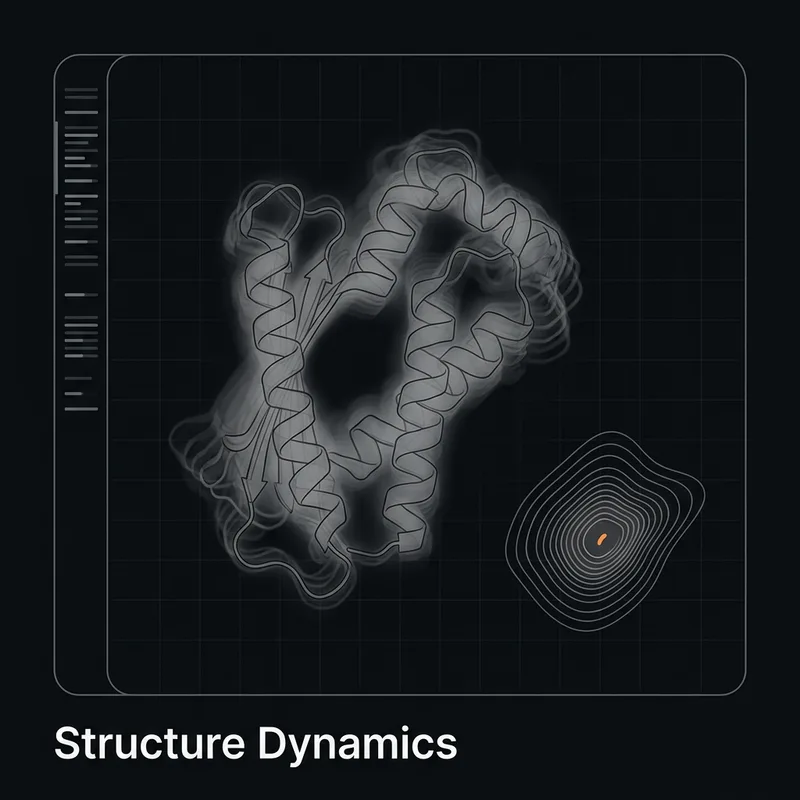
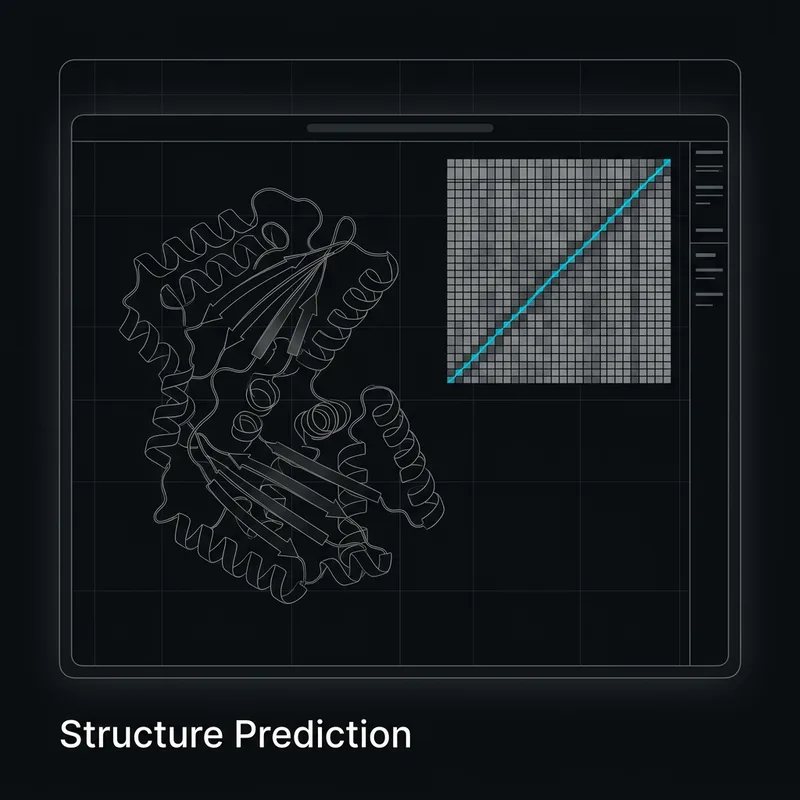
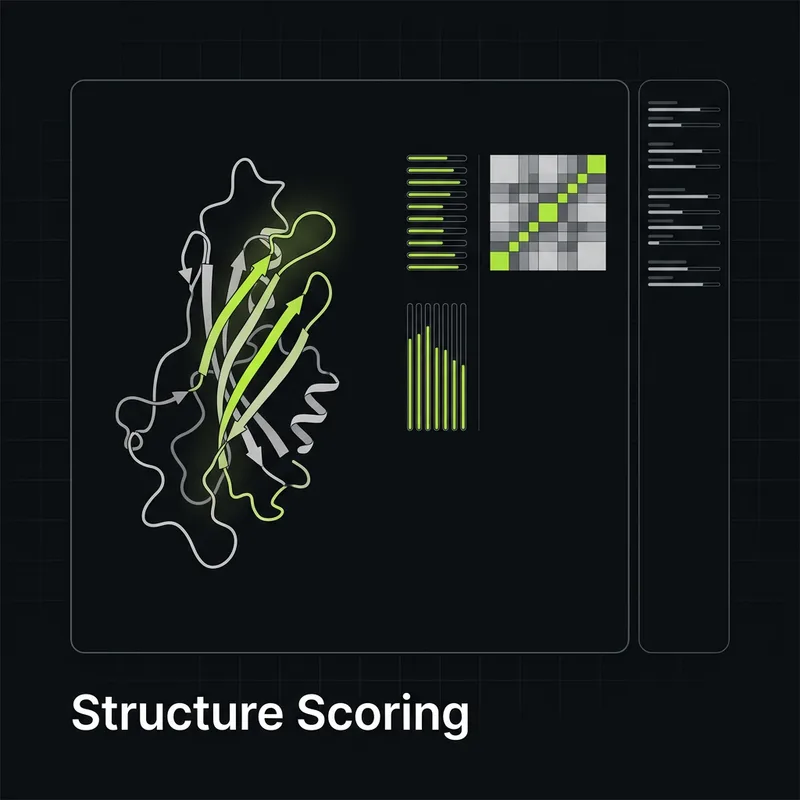
Adapt a frontier model to your target.
- Model agnosticModel agnostic at any scale. We host the frontier open-source models.
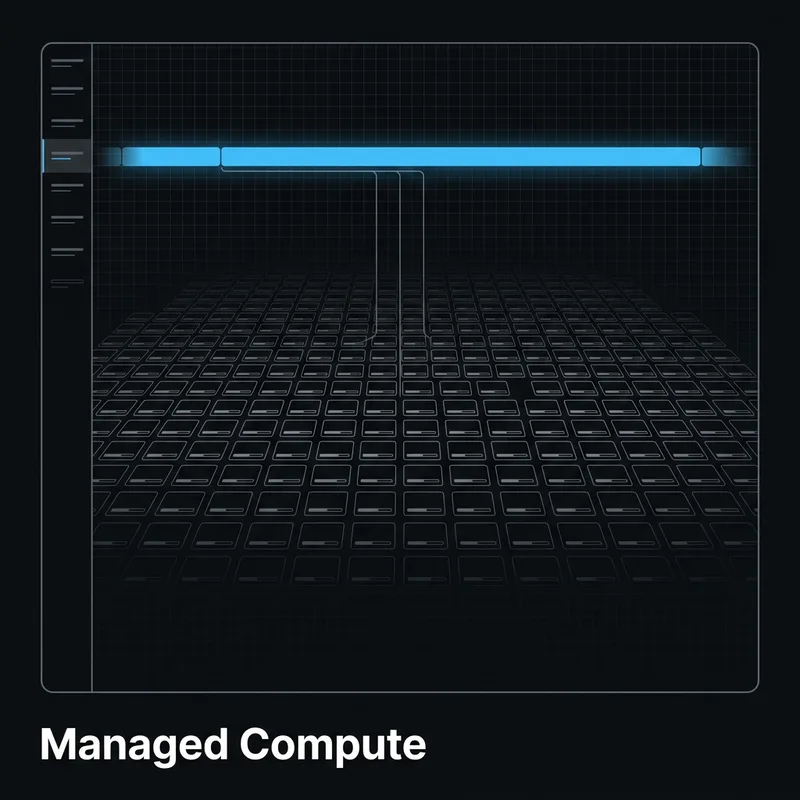
- Managed computeTraining compute and infrastructure abstracted away.
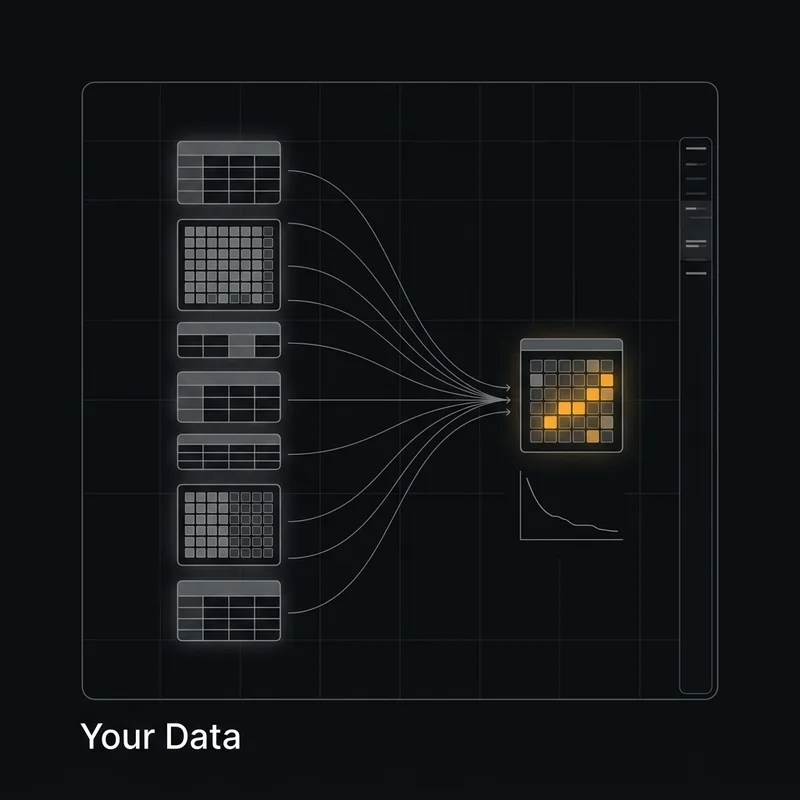
- Your dataCustom, data-driven adaptation techniques built around the data you already have.
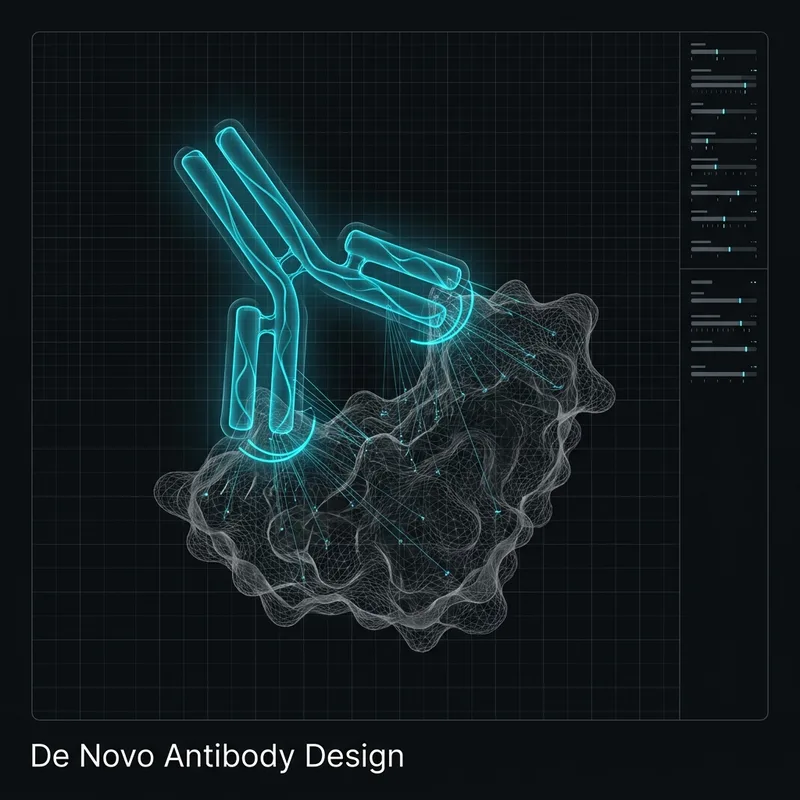
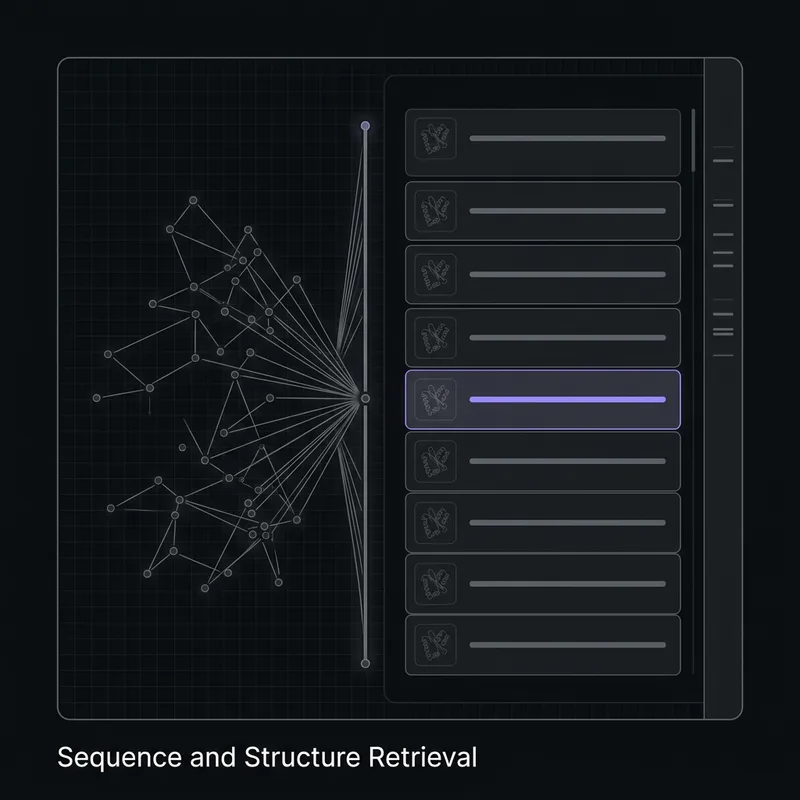
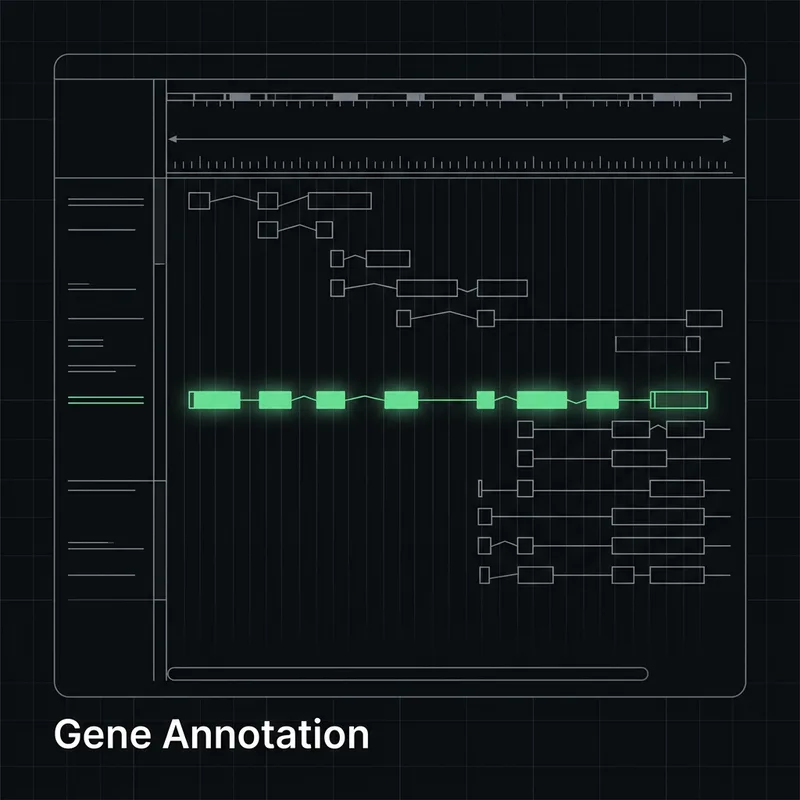
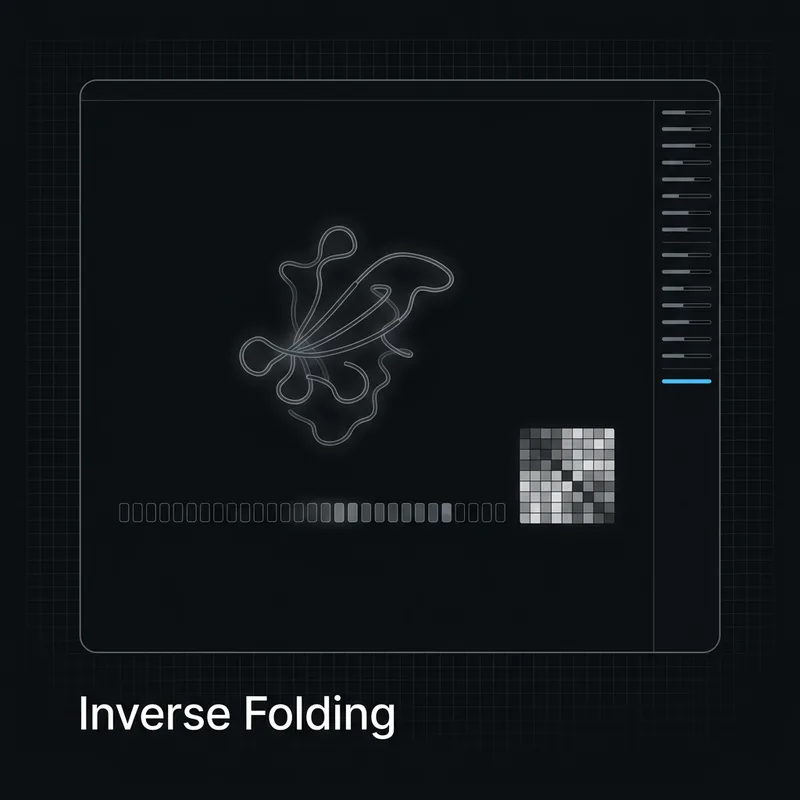
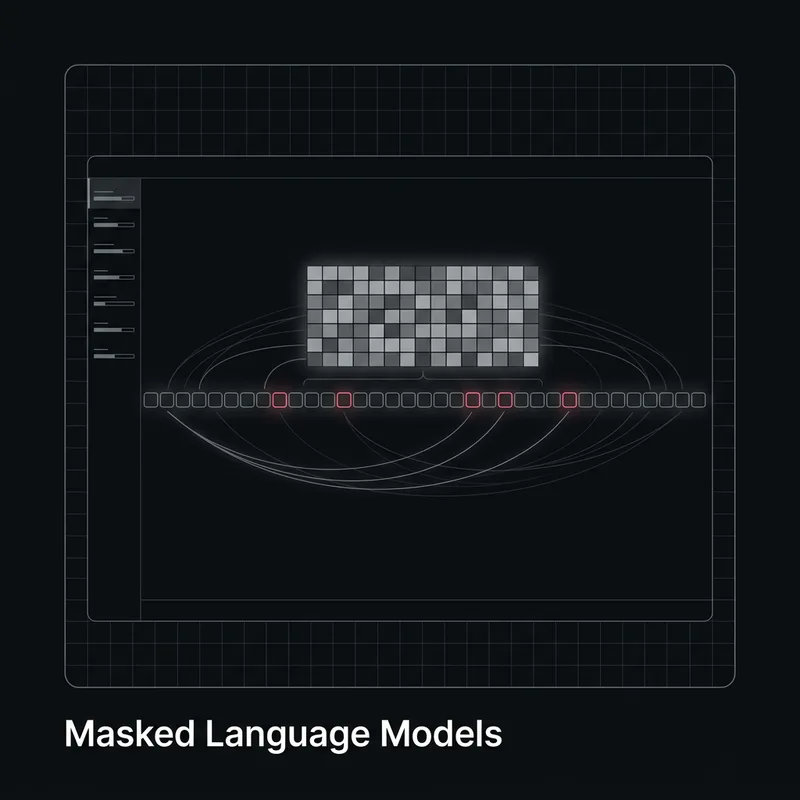
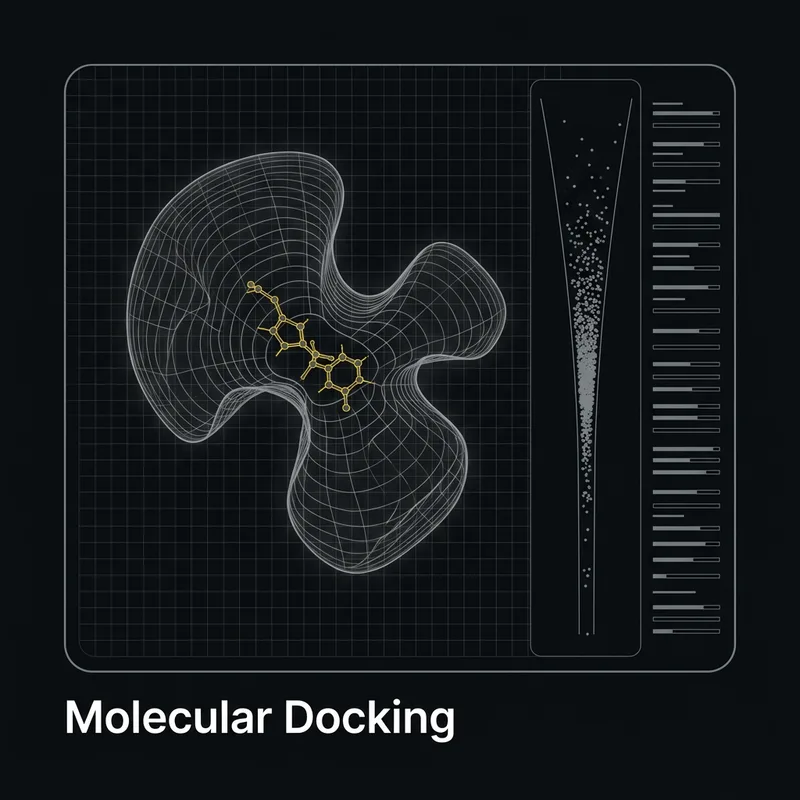
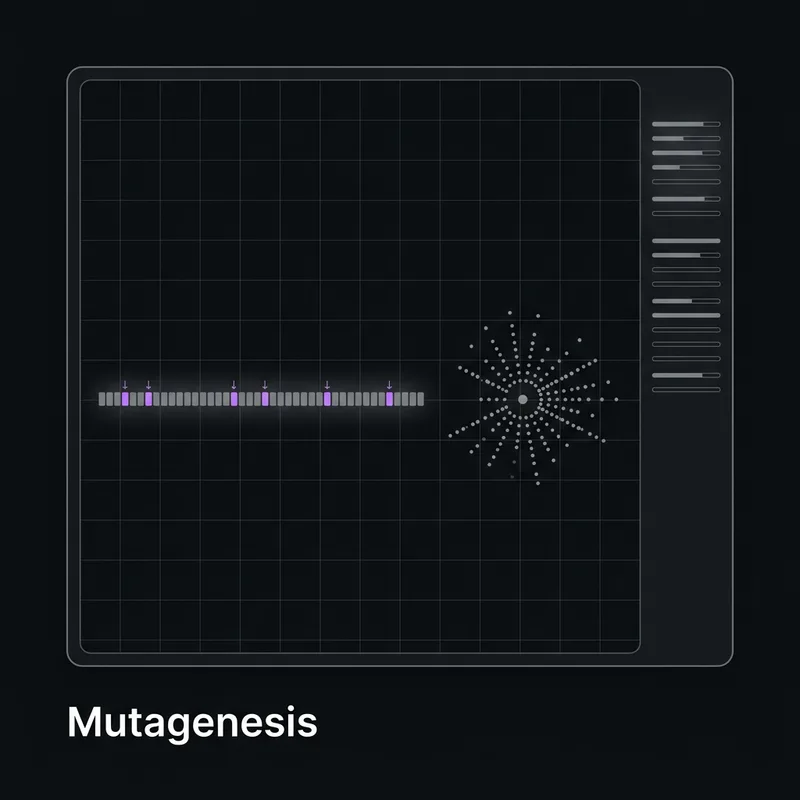
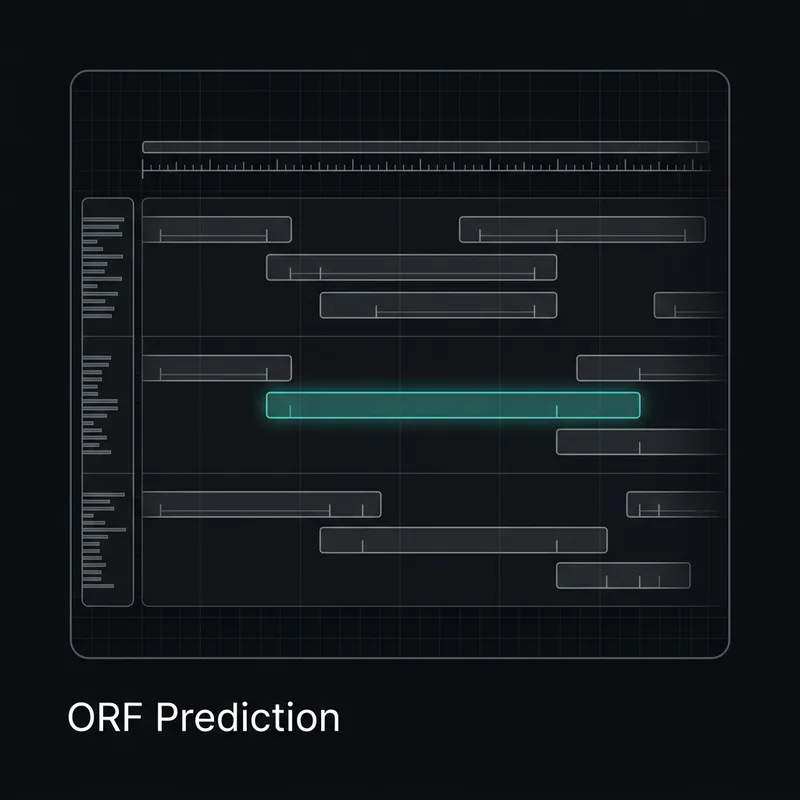
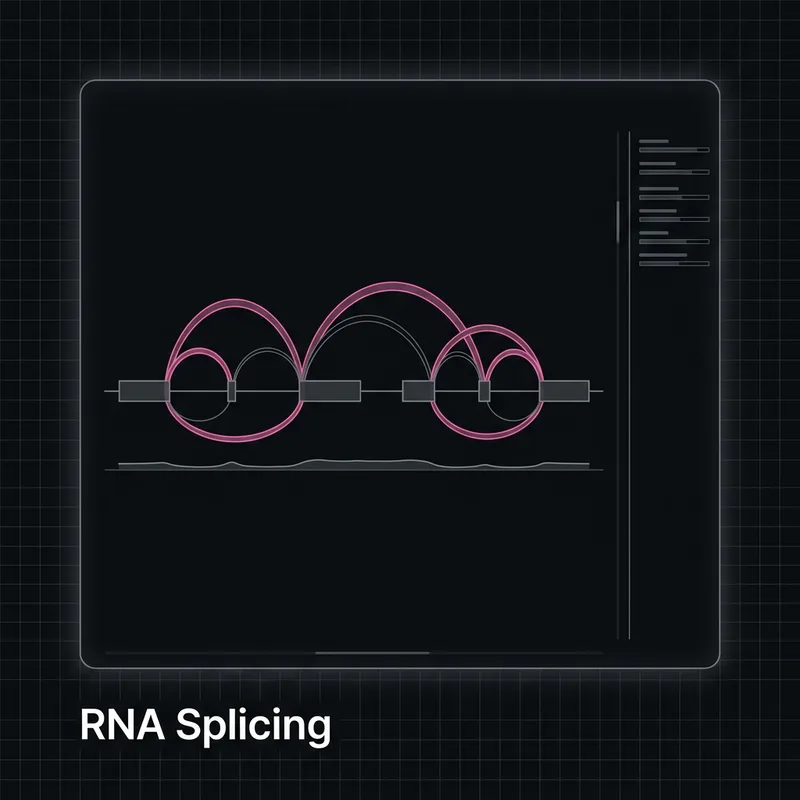
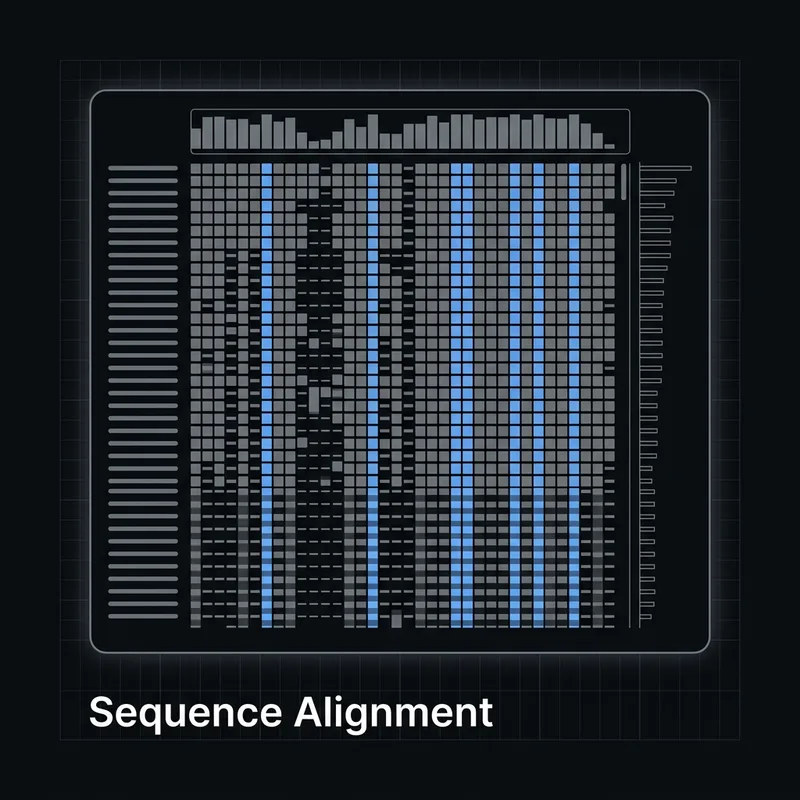
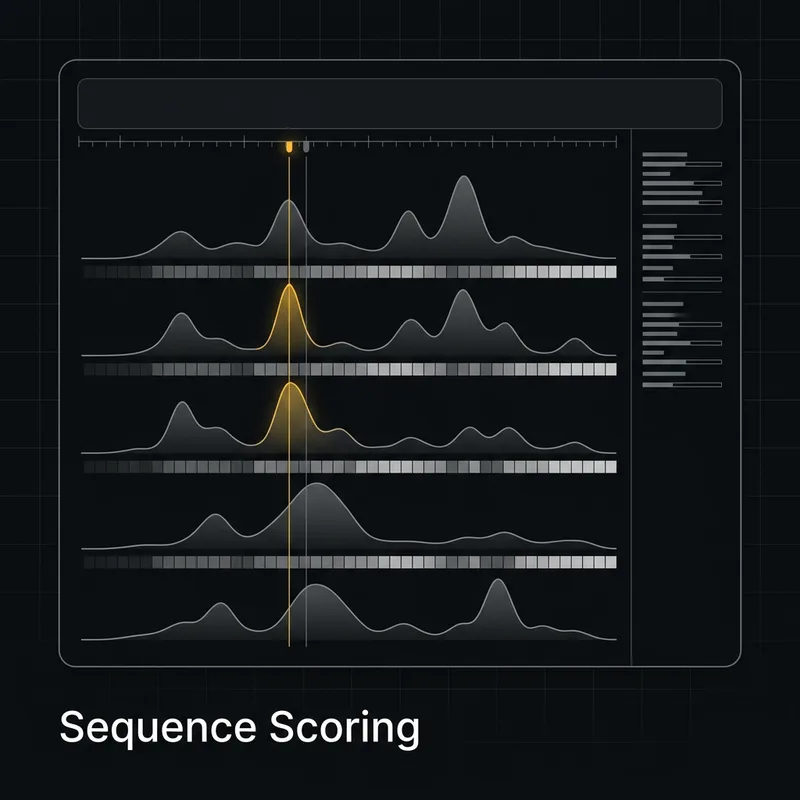
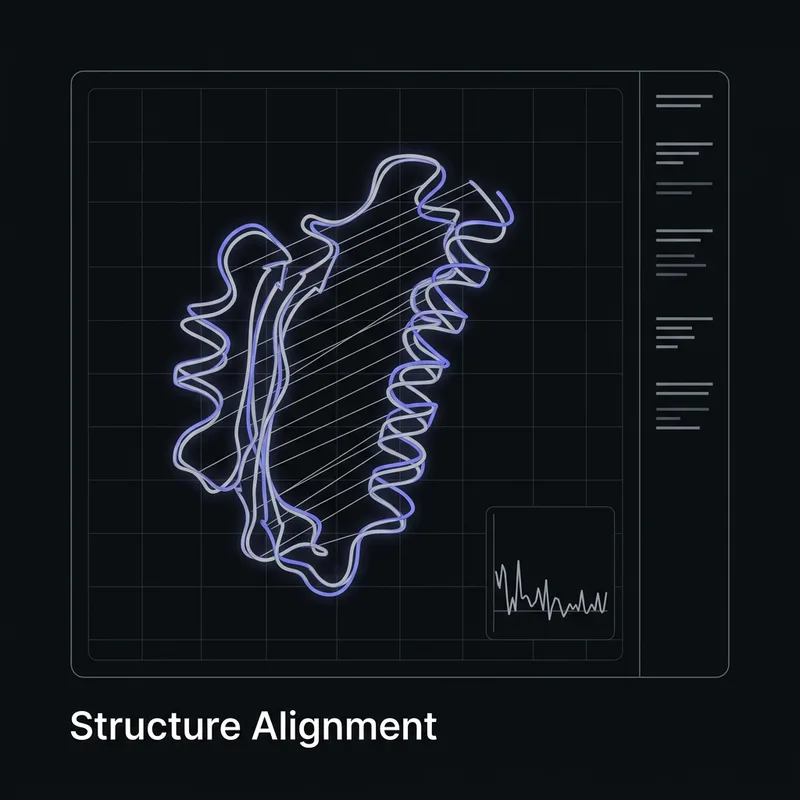
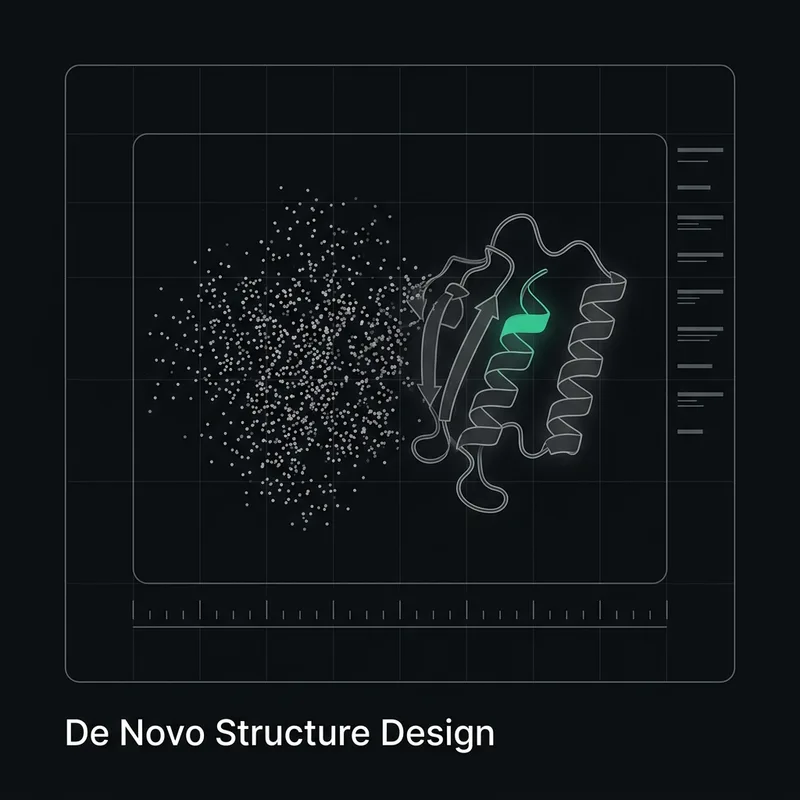
De Novo Antibody Design
- bindcraft
- freebindcraft
- germinal
01 / 17 tool families
Deploy
Put that model in front of the people and labs doing the work.
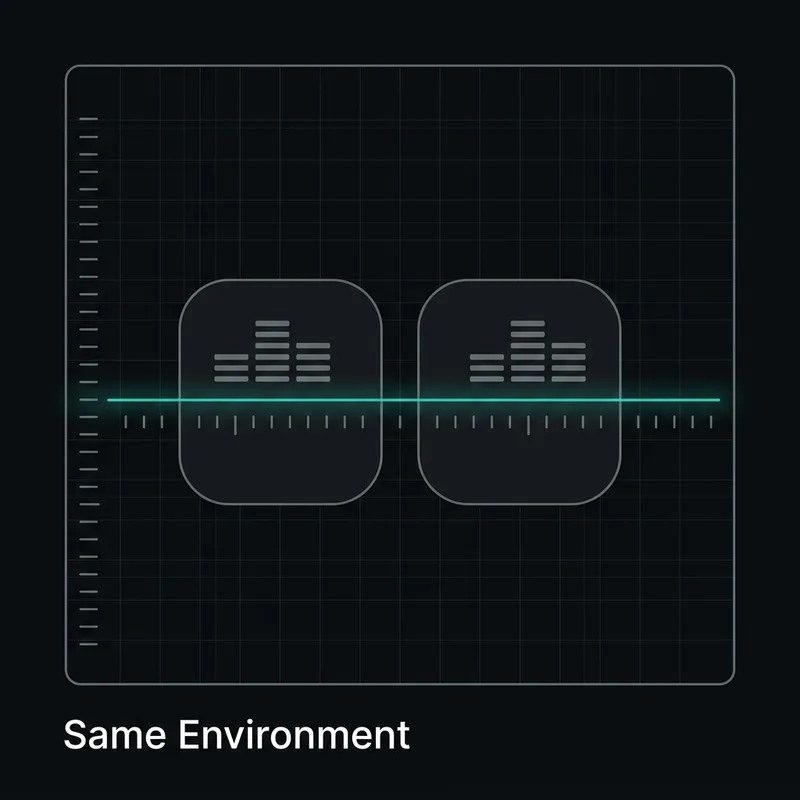
- Same environmentModels run in the same environment they trained in, so nothing breaks in between.
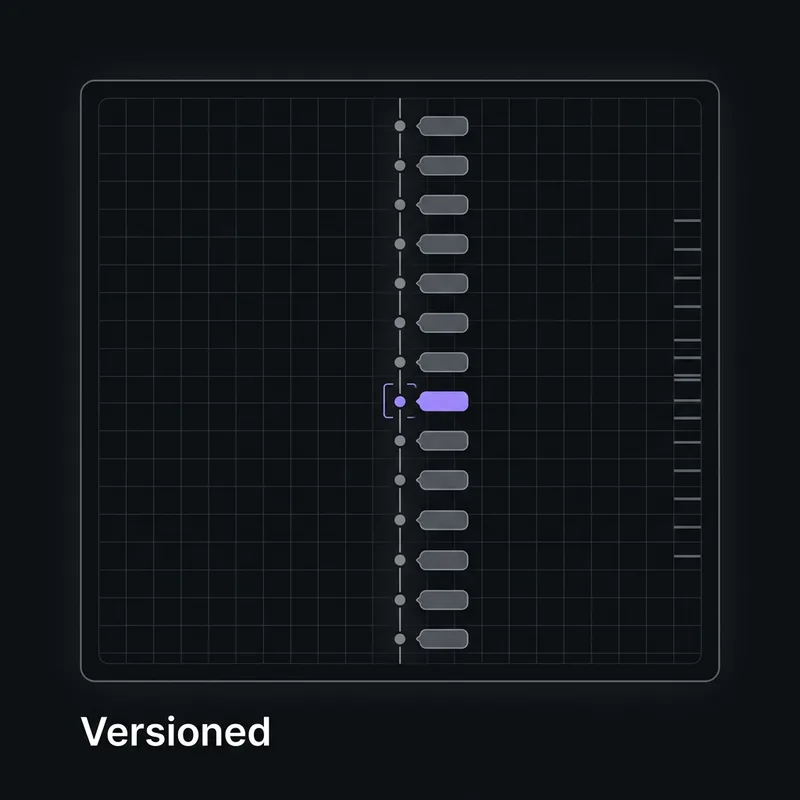
- VersionedEvery model version is checkpointed and labelled, so choosing what to run is one decision.
- Lab readyAutomated SOPs that instruct human wet labs and cloud labs within their real constraints.
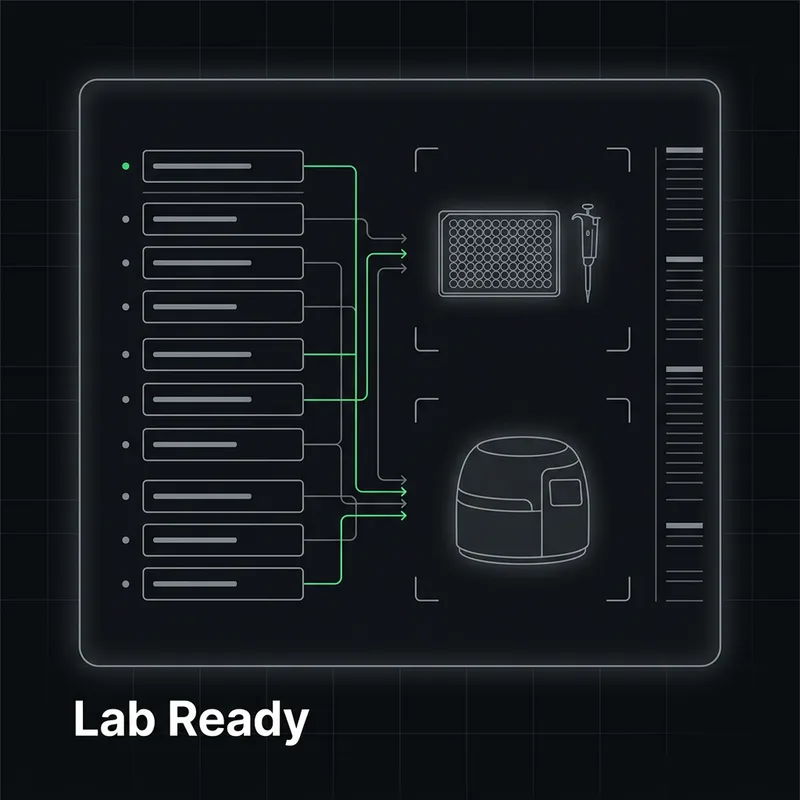
Example
Proposed molecules routed from the model to three benches.
Cell biologists and medicinal chemists approve the designs, then the platform sends them to human wet labs, cloud labs, and structure verification.
Iterate
Every result feeds the next version of the model.
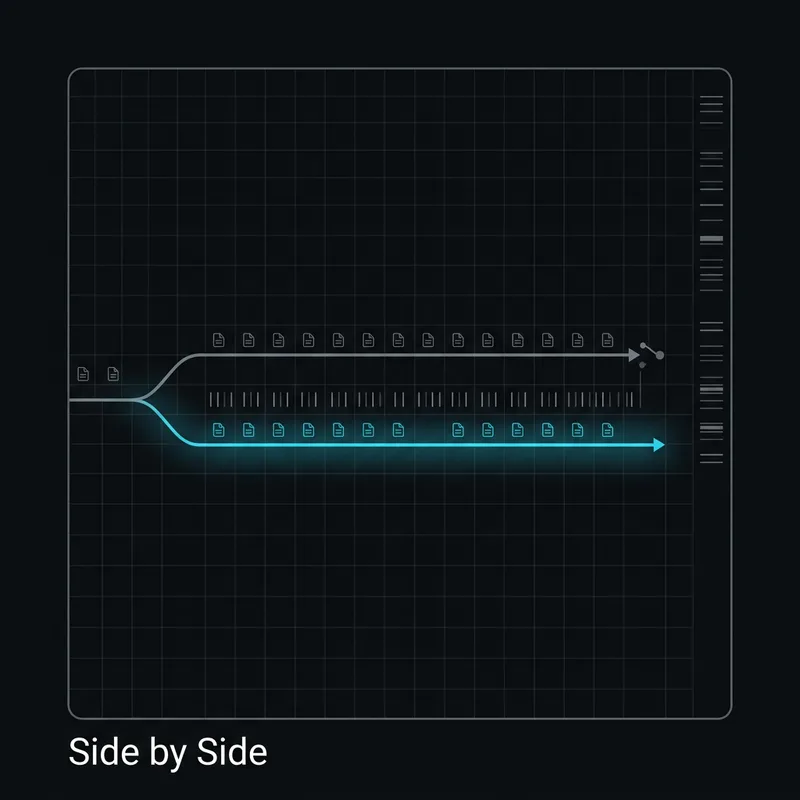
- Side by sideRun a new model version alongside the current one and compare on live work before switching.
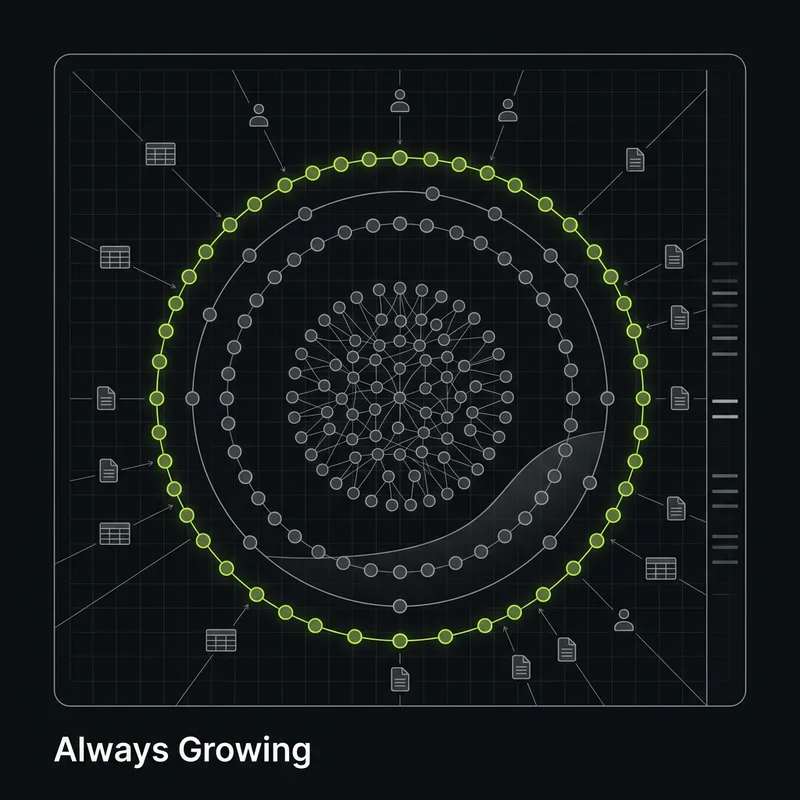
- Always growingAdd new data, collaborators, or literature at any point and the models improve with it.
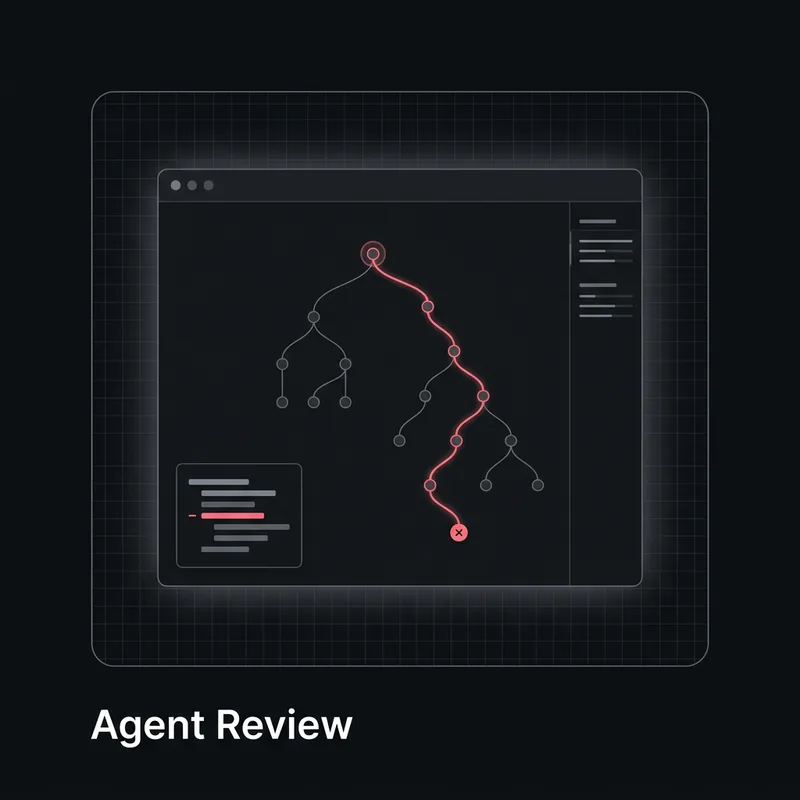
- Agent reviewAgents trace errors to root cause and propose the fix.
Example
Agent-driven design improvement.
An agent redirected the screen to a different binding pocket, and it returned confirmed binders.
Your model stays with you.
Every model is containerized by default. Open-source it only if you choose to, so the community and other partners can build on it.